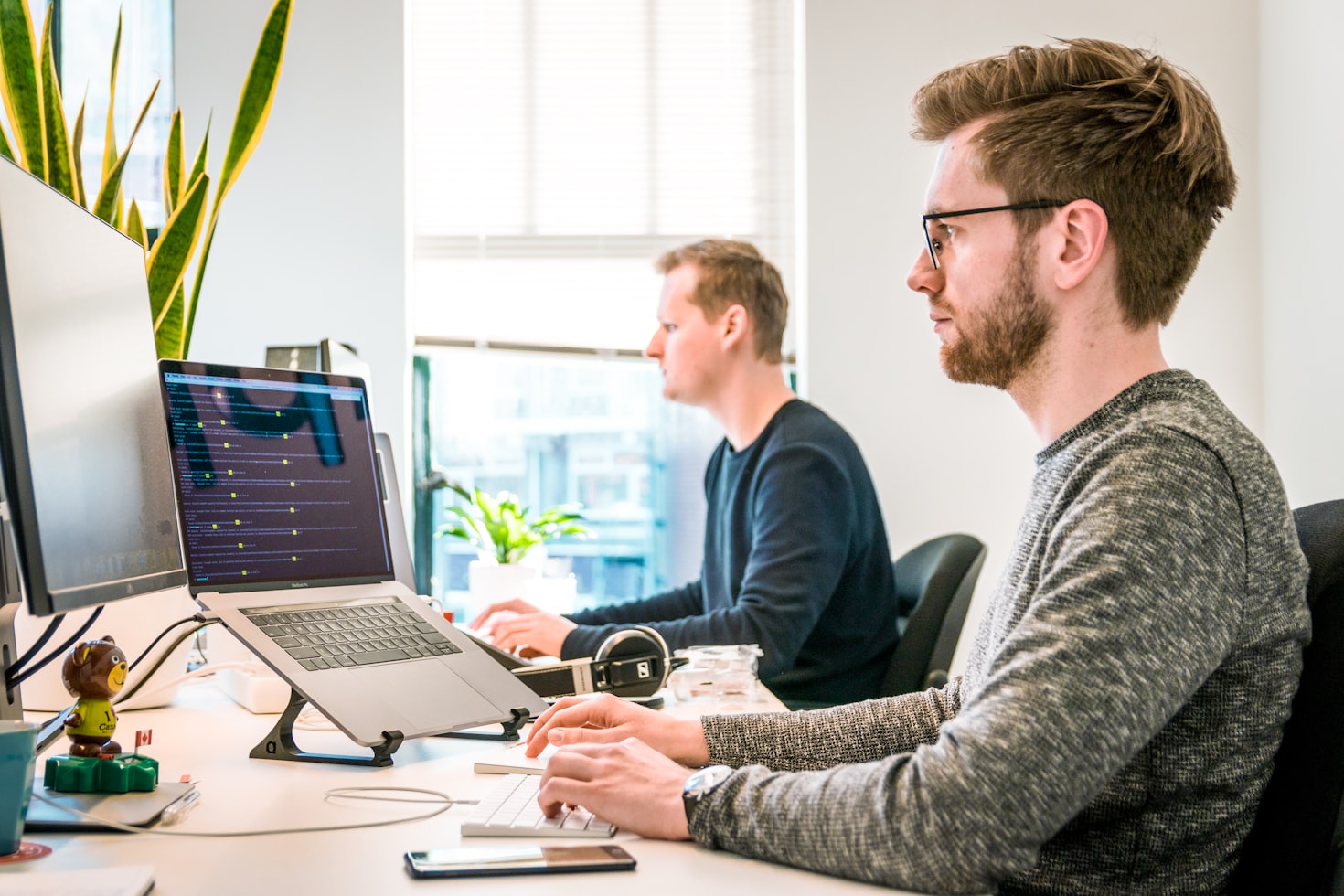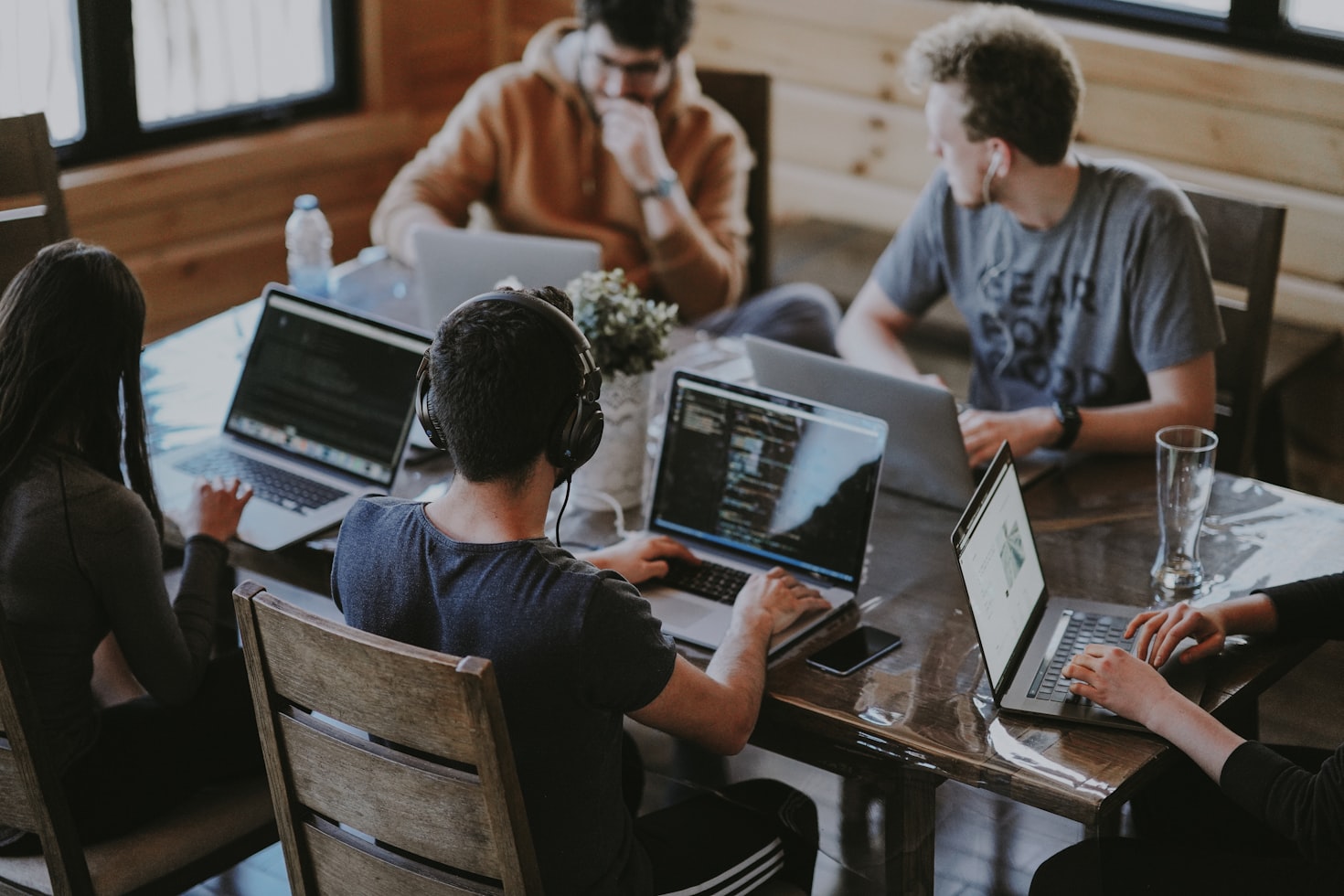
In 2025, we are beginning to see a revolutionary change in the design and experience of offices. Workspaces are to be more than just where work gets done and is proving to be more dynamic than before by taking the form of active, collaborative, wellness-oriented, flexible, creative and innovative spaces. As hybrid work matures and sustainability becomes the guiding value for businesses, businesses are reassessing what a "modern office" even means.
Here are the top 5 design innovations for offices in 2025 that are having effect on workplaces around the world.
1. Flexible and Hybrid Work Spaces
The idea of flexibility in the office dominated post-pandemic as a primary focus to provide employees with work choice. By the time we reach 2025 the arrangement of offices shifts into modular and separable forms of design so that moving the layout from only one-designated activity is then easily adaptable to the flexible space ability to meet individual productivity, creativity, and collaboration needs. Movable partitioning, height adjustable desks, separation walls, and multi-purpose meeting spaces, respectively, allows for effectiveness of activity productivity to utilize workspace for individual use to team collaborative discussion likewise. In short, it's all about choice where employees can choose from flexible workspace settings to support their own productivity and creativity.
2. Biophilic Design and Bringing Nature Inside
Biophilic design continues to be one of the most prevalent design ideas in 2025. Offices introduce a natural concept to the workspace that means bringing the outside in, with live, vertical green walls, urban gardens within meeting rooms, while incorporating plants and natural textures of wood, bamboo and stone into built environment of the offices. These enhancements allow for light, or daylighting, as introduced through large expanses of windows, skylights, and open terraces, in which offices preserve views of nature along with fresh airs as ventilation and indoor gardens that filter natural light likewise.
3. Environmentally Sustainable and Conscious Materials
Environmental responsibility is no longer a choice, it is an absolute need. Today's offices are using recycled, renewable and locally sourced materials to maintain greater sustainability. The office plans for every aspect from energy-efficient lights and water-cutting appliances, to low VOC paints and furniture. Green certifications are quickly becoming normal with the LEED and WELL commitments to build sustainable and healthy work environments.
4. Technology-Integrated Smart Offices
Technology is influencing everything about the office design we'll see in 2025. Smart sensors will control the lighting and temperature without our prompting, AI-systems will maximize spatial efficiencies and seamless connectivity will bring hybrid meeting options to everyone across the world.
5. Wellness and Human-Centric Design
Every great office is centered around health and wellness of employees. Organizations are investing in furniture ergonomics, soundproof areas for productivity, relaxation pods, and wellness nooks. This office is complete with circadian lighter systems that mimic daylighting to improve sleep and optimism in moods. By making health and wellness a priority, businesses achieve high productivity with increased happiness and wellbeing in employees.
Conclusion
In 2025, the office of the future is a space that is flexible, sustainable and human-centered. Gone are the days where an office simply needs to look good - an office space should perform well, be feel good, and ultimately help everybody to work easily and without fuss. Work has a different meanings these days, but these design trends will ensure that the modern office of the future will continue to be a place for creativity and collaboration and well-being.